Lead Generation as a Service for Small Business Growth
This blog describes lead generation as a service outsourcing prospect research, outreach, qualification, and meeting booking to agencies so small B2B businesses can focus on closing deals. It explains typical offerings (list building, outbound and inbound campaigns, SDR work, full-funnel management), a four‑phase workflow (discovery, setup, launch, optimize), common pricing models, and a typical 60–90 day timeline to meaningful pipeline growth. Key points: outsourcing is faster, more predictable, cost-effective, and scalable than hiring early, but success requires a tight ICP, data tracking, clear SLAs, and smooth handoffs. The guide helps readers evaluate vendors, run a pilot, and avoid pitfalls; Agentia is presented as an example provider.
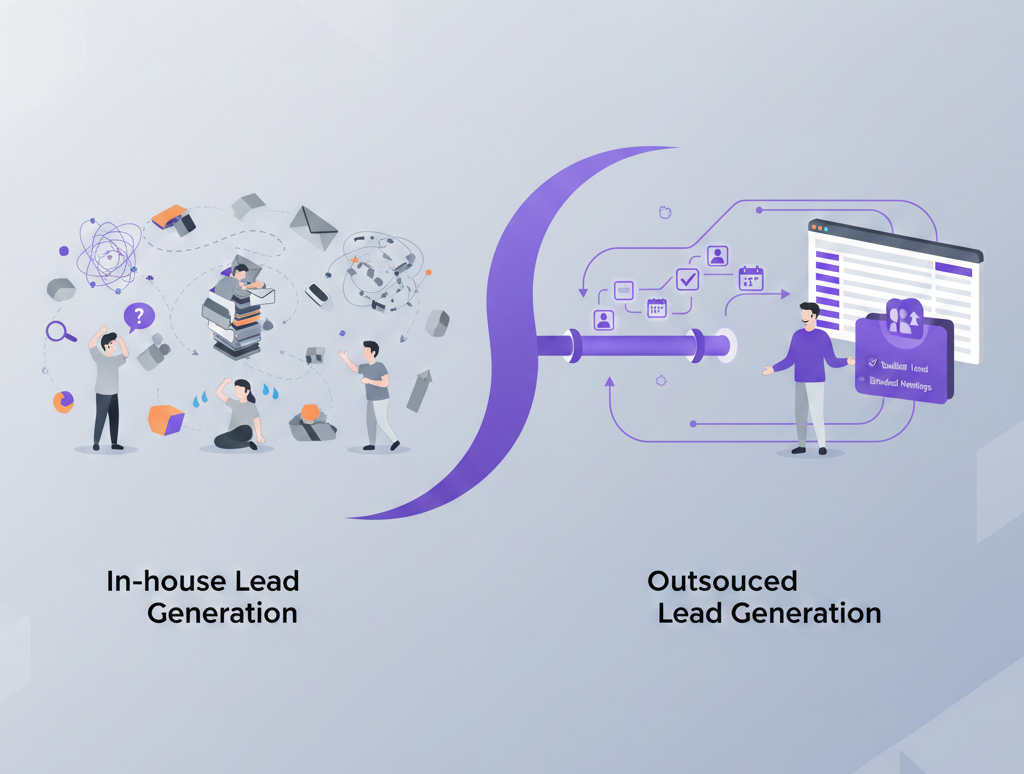
It is a tough job maintaining a steady stream of customers if you run a small business. Recruiting and training a complete sales and marketing team requires time and money. Maybe you tried several tactics, but the outcomes were inconsistent. Is that right?
Lead generation as a service provides an easier road to success. You bring in an outsourced team to take care of your leads, rather than constructing everything from scratch inside. For founders, small business owners, and sales managers who are simply looking for dependable pipeline growth without the extra cost, that very well may be a deciding factor in their game.
What is Lead Generation as a Service?
Essentially, lead generation as a service is an offer that a company can outsource the task of identifying potential customers to a professional who specializes in that area.
The agency doing the lead generation will perform various activities such as searching for leads, contacting them, qualifying the prospects, and, in some cases, even scheduling the meetings.
You get qualified opportunities handed to your sales reps or booked directly on your calendar.
Think of it as done for you lead generation. You stay focused on selling and serving your customers, while the agency deals with filling your funnel. For small businesses that do B2B, this model can be even better than hiring in, house, at least during the initial growth stages.
Why small businesses choose outsourced lead generation
There are a few reasons business owners lean this way. I’ll list the big ones and add a few observations from working with teams that did it right.
- Speed. You get motion fast. An agency can start outreach right away. No recruiting cycles, no training time.
- Predictability. Good providers report metrics and set expectations. You can plan revenue more reliably.
- Cost effectiveness. Hiring a salesperson costs more than outsourcing initial prospecting. You avoid benefits, recruiting fees, and downtime.
- Expertise. Agencies live in outreach and list building. They test messaging and channels every day. That experience compounds.
- Flexibility. You scale up or down without the HR hassle. Running a pilot is low risk.
I've noticed that founders who try to DIY everything often spread themselves too thin. Outsourcing lead generation frees up the team to close deals and improve the product. That alone can accelerate growth.
Common types of outsourced lead generation services
Not all providers do the same thing. Here are typical offerings you’ll see under the label of lead generation as a service.
- List building and data enrichment. Target lists built from industry, role, and intent signals. This is the research layer most campaigns need.
- Outbound prospecting. Cold email sequences, LinkedIn outreach, and sometimes cold calling. Agencies design and run multi-touch campaigns.
- Inbound lead capture. Landing pages, gated content, and paid social campaigns to bring prospects in.
- Lead qualification and SDR work. The agency pre-qualifies leads, so your closers only talk to buyers.
- Full funnel management. Everything from content and ads to outreach and appointment setting, delivered as done for you lead generation.
If you need a quick rule of thumb, outsourced lead generation providers fit somewhere between a freelance SDR and a full marketing team. The right fit depends on your goals and budget.
How outsourced lead generation works in practice
Most successful programs follow a predictable flow. You can think of it as four main phases.
- Discovery. Identify target industries, ideal customer profiles, buying signals, and conversion criteria. That is the point where you and the agency get on the same page about who you're after.
- Setup. Compile lists, develop messaging, set up outreach tools, and get tracking ready. There will be A/B testing in the first days.
- Launch. Execute campaigns, perform first contacts, and start giving sales qualified leads.
- Optimize. Examine response information, change your message, change your targeting, and keep doing more of what works. Most vendors will demonstrate early results in 4 to 12 weeks.
Most vendors will show early results in 4 to 12 weeks. I've seen reliable pipeline growth in 60 days when the discovery phase is thorough, and the company moves quickly on feedback.
Benefits you can expect
Here are the concrete wins I've watched small businesses get when they use a solid lead generation agency.
- More qualified leads. You get higher quality conversations, not just raw volume.
- Lower cost per opportunity. Outsourced teams spread their tools and expertise across clients, which drives efficiency.
- Faster sales cycles. When leads arrive pre-qualified, reps waste less time and close quicker.
- Repeatable pipeline growth. A good provider sets up a predictable monthly flow, which helps with planning and cash flow management.
I should also add a practical point. You still need a closing process ready. An agency can pass a great lead to you, but if your demo experience is weak, conversion suffers. Don't outsource your results entirely.
Common mistakes and pitfalls to avoid
Outsourcing lead generation is not a magic button. Here are mistakes I've seen that cost time and money.
- Skipping discovery. You need a tight ideal customer profile. Broad targeting wastes budget and dilutes results.
- Ignoring data. If you don't track response rates, conversion rates, and pipeline growth, you can't improve campaigns.
- Expecting instant miracles. Quality outreach is a process. It needs iteration.
- Poor handoffs. Leads that sit in inboxes or get messy notes die quickly. Define SLAs and processes for accepting leads.
- Focusing only on volume. Tons of leads that are not decision makers or buyers create noise. Aim for qualified opportunities.
- Choosing the cheapest vendor. Low cost often means low expertise or bad lists. It can be more expensive in the long run.
One common blind spot: founders measure deliverables like the number of emails sent, instead of outcomes like qualified meetings set or pipeline value added. Track outcomes. That's what pays your bills.
How to choose a lead generation agency
Picking the right partner matters. Here are practical criteria to guide you.
- Relevant experience. Look for B2B lead generation services that have worked with companies like yours. Industry knowledge speeds up ramp time.
- Process transparency. Ask about targeting, message testing, and reporting cadence. You want clear steps and regular updates.
- Metrics and guarantees. Not all guarantees are equal. Prefer vendors who commit to outcomes such as qualified meeting counts or pipeline value.
- References and case studies. Ask for one or two client stories. A quick call with a reference tells you a lot.
- Integration flexibility. Can they plug into your CRM and calendar smoothly? That makes handoffs painless.
- Pricing model fit. Different models work for different budgets and risk tolerance. We will cover models next.
In my experience, agencies that set clear expectations and show early test results often turn into long term partners. If a vendor is vague about targeting or measurement, walk away.
Pricing models explained (and when to use each)
Agencies price their services in a few common ways. Here is an overview with pros and cons.
- Monthly retainer. You pay a fixed fee each month. Pros: predictable cost and usually broad service. Cons: If targets are misspecified, you could pay for underperforming activity.
- Pay per lead. You pay per qualified lead. Pros: You only pay for outcomes. Cons: definitions matter. What counts as qualified? Clarify upfront.
- Revenue share. The agency takes a percentage of deals closed from its leads. Pros: strong alignment. Cons: might be expensive and requires complex tracking.
- Hybrid. Lower retainer plus pay per lead. Pros: balances risk and incentive. Cons: requires clear SLAs.
Here is a simple example. For a B2B SaaS startup, a common plan might be a 3-month pilot at a 5,000 to 10,000 dollar monthly retainer. The agency commits to X qualified meetings in month three, after testing and optimization. Numbers vary widely by vertical and deal size, so use these as starting points, not fixed rules.
Typical timeline: how long before you see real pipeline growth
People often ask how fast results appear. The short answer is: it depends. But here's a typical timeline that I use when setting expectations.
- Week 1 to 2. Discovery, messaging drafts, and list sourcing. You'll approve the ICP and outreach templates.
- Week 3 to 6. Campaign launch and early responses. The agency runs A B tests and refines sequences.
- Week 7 to 12. Momentum builds. Qualified meetings start flowing regularly, and conversion data becomes meaningful.
- Month 4 and beyond. Optimization cycles accelerate. Successful programs often scale the budget here for sustained pipeline growth.
If you're patient and engaged, most teams see a real bump in qualified pipeline in 60 to 90 days. If the agency skips testing and rushes to scale, that often backfires.
Key metrics to track
Not all metrics are equally useful. Here are the ones that matter for small business lead generation.
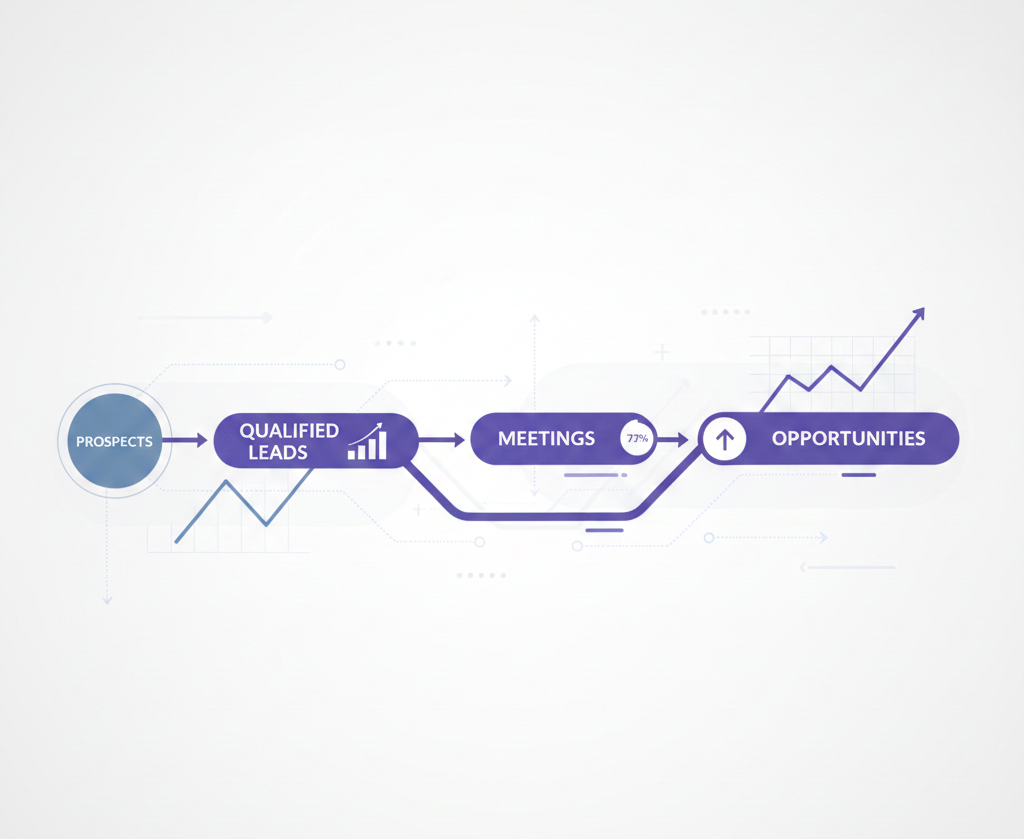
- Qualified meetings. Raw number of sales qualified appointments booked. This is often the top metric.
- Conversion rate. Percent of qualified meetings that become opportunities, and opportunities that close.
- Cost per opportunity. Total spend divided by opportunities created. Use this to compare channels and vendors.
- Pipeline value added. Estimated deal value from leads created. This helps relate activity to revenue targets.
- Lead response time. How quickly your team follows up. Faster follow up boosts conversion materially.
- Engagement metrics. Email open rates, reply rates, and LinkedIn response rates. These show message effectiveness.
One tip I give every founder: set a simple dashboard. You do not need a complicated BI system. A weekly report with 3 to 5 metrics keeps things honest.
Simple example: a small B2B company case
Here is a short example that keeps things real. No fancy numbers, just the main moves.
A five person B2B software company needed more mid market trials. Hiring additional SDRs was not an option. They worked with an outsourced lead generation provider for a three month pilot. The provider focused on a narrow ICP, built a list of 500 targeted accounts, and ran an email plus LinkedIn cadence.
Results looked like this. In month one, they saw increased replies but few qualified meetings. The agency adjusted messaging. By month three, the client had three to four qualified meetings per week. Two of those turned into closed deals with a combined first year contract value that exceeded the pilot fee by five times.
I like this example because it shows the iterative nature of outreach. The initial messages rarely land perfectly. The work that follows is where the value appears.
How to integrate outsourced leads with your sales team
Handing off leads is where many programs stumble. Here are practical habits that keep leads moving.
- Define lead criteria. Agree on what qualifies as a meeting. Make it specific: role, company size, budget, timeframe.
- Set clear SLAs. Who responds, in how many hours, and who owns follow up? Fast follow up converts better.
- Use shared tools. Connect the agency to your CRM and calendar so nothing is lost. Automate where possible.
- Share feedback loops. Sales should tell the agency when leads are high quality or not. Regular reviews improve targeting.
One simple tweak we often recommend: ask your closers to record a 2 minute note after each agency-sourced meeting. That short feedback helps the agency refine messaging and find more of the right people.
Red flags when evaluating vendors
Watch out for these warning signs during sales conversations with lead generation agencies.
- No specificity. If they cannot describe an ICP or their past clients, move on.
- No testing plan. Every campaign should include A B tests for subject lines, value props, and channels.
- Unclear reporting. You should get weekly or biweekly reports with clear metrics.
- Bad data sources. If they rely on outdated lists or mass scraping, results will be poor, and deliverability will suffer.
- No integration capability. If they cannot plug into your CRM or calendar, you'll lose leads in the handoff.
In my experience, agencies that are vague about tools or metrics often hide a lack of process. Ask hard questions early. It saves time later.
Quick checklist before you sign a contract
Use this short checklist when you evaluate a lead generation partner. It’s quick to scan and prevents common issues.
- We agreed on an ICP and measurable goals.
- The agency showed a test plan and timeline.
- We defined what counts as a qualified lead or meeting.
- CRM and calendar integrations are possible and documented.
- We set SLAs for lead follow up and feedback.
- There is a regular reporting cadence and a trial period.
If any of those items are missing, ask for them in writing before you start. A short email clarifying expectations avoids misunderstandings later.
Practical tips to get the most from outsourced lead generation
Here are a few practical tricks I share with clients. They’re small, but they work.
- Start narrow. Target a small segment and prove the model. Then expand.
- Share assets. Give the agency your best case studies and customer stories. Real examples help outreach resonate.
- Keep closing fast. A missed follow up window kills most opportunities. Set the expectation: respond within 24 hours.
- Use human touches. Add personalized lines based on company events or mutual connections. It lifts reply rates.
- Rotate messaging. Test a problem-focused message against an ROI-focused one. See which converts to meetings.
A small aside. If your team is shy about outreach, bring in the agency to do the cold outreach while sales focuses on demos. That division of labor usually increases morale and results.
Is lead generation as a service right for you?
Lead generation outsourced to a third party is an option for small businesses that want a steady pipeline without having to immediately hire more staff. If you are time, constrained, do not have the skills, or want to quickly test new markets, this method is a good match for you.
However, it may not be the most suitable option if your product is such that it needs very extensive technical demos or long procurement cycles, where the company selling to the customer is the one building the relationships and winning. But in any case, agencies can still be of help in generating first interest that you would not have recognized on your own.
Ask yourself: do I want to hire and train, or do I want to plug in an experienced team and move faster? Both are valid. The right answer depends on your stage and priorities.
Next steps and how to get started
If you want to try lead generation as a service, start with a short pilot. Treat it as a learning experiment. A well structured 60 to 90 day pilot gives you enough data to decide whether to scale.
Here are the practical first steps.
- Clarify your ICP and one or two campaign goals.
- Request a pilot proposal that includes metrics, ramp time, and cost.
- Ask for a sample outreach sequence and reporting dashboard.
- Set clear SLAs for lead acceptance and feedback.
- Run the pilot, meet weekly, and review metrics at 30 and 60 days.
If the pilot delivers, scale the budget up gradually. Keep testing creative and channels. Outsourced lead generation is a system, not a one time campaign.
Why consider Agentia
If you're looking for a partner, Agentia focuses on delivering done for you lead generation for small businesses and B2B teams. We build targeted lists, run multi-channel outreach, and hand over qualified meetings so your sales team can focus on closing.
We aim to be straightforward and metrics-driven. In my experience working with small companies, transparency and quick iteration win more than fancy guarantees. That is how we approach every pilot.
Helpful Links & Next Steps
- Agentia home
- Agentia blog
- AI Leads Generation for SMBs: Capture, Qualify & Convert Leads Automatically
If you want to see how it works in practice, Book a Free Demo Today. We'll walk through your ICP, show sample outreach, and outline a pilot plan tailored to your business.
Final thought
Outsourcing lead generation is not handing over your fate. It is a partnership. You bring product knowledge and closing skills. The agency brings lists, outreach expertise, and repeatable processes. When both sides learn fast and act fast, small businesses can build a predictable sales pipeline growth without the hassle of hiring an entire team.
If you are ready to test a pilot, start with clear goals and a short timeline. Keep feedback loops tight. And be ready to act quickly on the leads that come through. That combination turns experiments into steady results.
Good luck. And if you'd like to see how Agentia might plug into your sales engine, schedule a demo, and we can go over a plan in 30 minutes.
Frequently Asked Questions. FAQs
1. What is lead generation as a service?
Lead generation as a service is an outsourced model where an agency handles prospect research, outreach, qualification, and meeting booking so your sales team can focus on closing.
2. How long does it take to see results from outsourced lead generation?
Most small businesses start seeing early responses within a few weeks and consistent qualified meetings within 60 to 90 days, depending on targeting and messaging.
3. Is lead generation as a service better than hiring an in-house SDR?
For many small businesses, yes. It is faster to launch, lower risk, and more cost effective than recruiting, training, and managing an internal SDR team, especially in early growth stages.